

世界最高峰ラグジュアリーの視点から描く―Japan Beauty Network 高橋琴美 ×Richemont Japan 三木均 氏
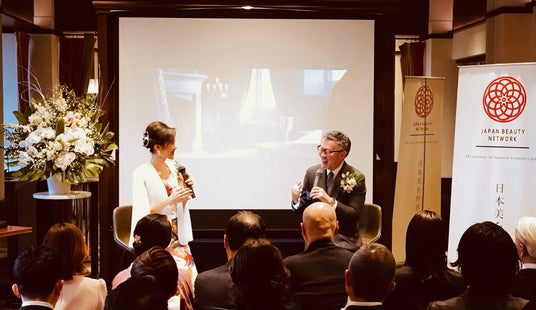
リシュモン ジャパン 職務執行者社長 リージョナル CEO 三木 均氏と文化資本戦略家 (Global CEO Advisor) 高橋琴美
2026年2月5日。
歴史と文化が交差する有形文化財を舞台に日本美と世界のラグジュアリーの未来をめぐる対話が行われた。 それは、後にひとつの節目として語られるかもしれない。価値の在り方そのものが、静かに問い直された瞬間として。
生成AIの進展、価格競争、そして急速なコモディティ化。
世界はいま、「何をどれだけ持つか」という有形資産の時代から、 「どのような価値を内包しているか」という無形資産の時代へと、 大きな構造転換点に立っている。
本稿は、カルティエ、ダンヒル、ピアジェなどを擁する世界有数のラグジュアリーグループ、リシュモン ジャパン 職務執行者社長 リージョナルCEO 三木 均 氏との対談を通じて、一般社団法人Japan Beauty Network代表理事・文化資本戦略家 高橋琴美が提起する問い──日本美は、世界のラグジュアリーの価値を再定義し、長期的な企業価値の源泉となり得るのか──を、経済と文化の視点から考察するものである。
ラグジュアリーとは何か
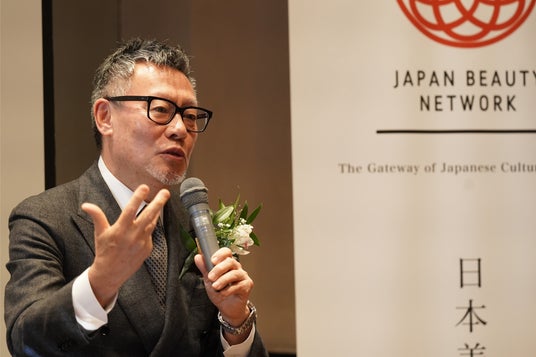
リシュモン ジャパン(Richemont Japan)合同会社 職務執行者社長 リージョナルCEO 三木 均 氏
三木氏が示した本質三木氏が語ったラグジュアリーブランドの定義は、明快だった。
「伝統や歴史が浅いブランドは、
どれほど売れていてもラグジュアリーとは呼べない」
「世界で展開されていること」
「そのブランドにしかない、アイコニックな価値があること」
ラグジュアリーとは、短期的な売上や流行によって成立するものではない。
時間、物語、精神性、そして継承によって築かれる存在である。
この視点に立てば、現代日本において世界的ラグジュアリーブランドが容易に生まれないのも、決して不思議ではない。
持続的な価値は、必然の「構造」から生まれる

一般社団法人Japan Beauty Network創設者兼代表理事 高橋琴美 氏
文化資本という視座ルネサンスの背後には、文化を支えたメディチ家という確かな経済基盤があった。文化は自然に残るものではない。経済と結びついたとき、はじめて競争力となる。
この視点こそが、高橋が一貫して提唱してきた「文化資本」──すなわち、無形資産を企業価値へと転換する戦略──の核心である。Global CEO Advisorとして長期的な企業価値向上に向けた助言を行う高橋にとって、文化は、これからの経営においてますます重みを帯びていく視座のひとつである。
歴史を振り返ると、大きな価値転換の前には三つの兆しがある。
1. 価値のゆらぎ
それまで当然とされてきた価値観が機能しなくなるとき、人々は新たな意味を求め始める。
ルネサンスもまた、既存の世界観が揺らぐなかで、「人間の尊厳と美」へと視点を移した転換期であった。
2. 精神の疲弊
産業革命後の19世紀末、効率と機械化が進む中で、人々は急速に「人間らしさ」を失っていった。
それは、工業化による精神の疲弊から、クラフトマンシップへ、そして自然へと回帰し、人間の感覚を再び取り戻そうとした運動でもあった。
その過程で、自然回帰、余白、不均等といった要素を日本美から学ぶジャポニズムが生まれ、アール・ヌーヴォーへと結実していった。
3. 無形価値の台頭
価値が揺らぎ、効率化が極まるとき、社会は「次の美」を求める。
生成AIとスピードが支配する現代において、物語性や精神性といった無形の価値が、企業の競争力を左右し始めている。
なぜ、日本美なのか
共鳴、余白、詫び寂び、循環(サステナビリティ)──
日本美が育んできた時間軸と精神性は、無形資産として企業価値を支える可能性を持つ。
それは文化の話にとどまらない。
長期的な信頼と価格決定力を生む、戦略資産である。
三木氏も対談の中で、いま世界のラグジュアリーの多くが、日本の伝統文化やクラフトマンシップに深く依拠している事実に言及した。ファブリック、素材、技法。それらは、長い時間軸の中で磨かれてきた技術と精神である。
にもかかわらず、「ラグジュアリー」と聞いて日本の名が挙がることはまだ多くない。
それは美が劣っているからではない。不足していたのは、それを企業価値へと転換する経営設計である。
日本美は、新しいラグジュアリーの価値基準を提示し得る。
「私は、日本美は世界のラグジュアリーの価値を再定義できると考えています。それは既存のブランド競争に参入することではなく、無形資産を活かし、長期的な信頼と価格決定力を育てることにあります」(高橋氏)
京都における「Art in Business 」の取り組み
経済が文化を支えるという文脈において、三木氏が京都で実践している取り組みは、まさにその具体例のひとつといえる。
日本が誇る伝統を未来へ継承していくために、経済がクラフトマンシップという文化を支え、伝統工芸が持続可能な産業として成立する仕組みを構築する。
その実証を、現在、同志社大学と連携しながら進めている。
文化、伝統を継承し続けるために、経済と結びついた価値創造の主体として再定義すること。この視点は、「Art in Business」という考え方の核心を端的に示している。
京都は、こうした実証を行う場として最適な場である。
歴史、技術、人材、思想が重層的に蓄積されたこの地で、継承をしていくための支援と、仕組みを立ち上げ、文化と経済は再び結び直されつつある。
持続的成長は、経済と制度の連携から生まれる
持続的な価値創出には、企業の意思決定と制度的支援の両輪が不可欠である、と高橋は語る。
三木氏も、フランスが伝統文化の継承に国家として投資を続けている事例に触れた。
文化は情熱だけでは続かない。経済と制度が支えたとき、それは長期的な競争力へと転換される。
Japan Beauty Networkは、日本美を国際競争力を支える戦略資産として位置づけ、企業や政策と連携しながら、その社会実装を進めていく。
この取り組みに関心を寄せてくださる皆様との対話と協業を、今後も重ねていきたい。
団体概要

JBNロゴ
団体名:一般社団法人 Japan Beauty Network(JBN)
所在地:東京都港区高輪2丁目21番1号 高輪ゲートウェイシティ
代表者:高橋琴美(Christine Takahashi)
事業内容:日本の“見えない美”に根ざした文化資本を、世界と共有する共創エコシステムの構築。活動を通した地方創生、女性の活躍支援、次世代リーダーの育成を通じ、文化を基盤とした新たな社会的価値の創出。
公式Webサイト:https://www.japanbeautynetwork.org
JBN代表 高橋琴美 紹介サイト: https://www.cotomiworld.com
【本件に関するお問い合わせ】
Email:info@jbnworld.org(担当:琴森・布山)
Tel :050-7125-8685(※Eメールにてご連絡ください)
※Japan Beauty Networkとの協業や会員制度などご関心をお持ちの企業・団体・自治体の皆さま、ご参加にご興味のある方も、上記よりお気軽にお問い合わせください。
When Unseen Beauty Becomes Civilization in an AI World
Christine Takahashi, Founder, Japan Beauty Network, Cultural Capital Strategist in dialogue with Hitoshi Miki, President & Chief Executive Officer, Richemont Japan,
Regional CEO
February 5, 2026
On February 5, 2026, a special dialogue was held at a nationally designated cultural heritage site where history and living culture intersect.
The conversation brought together Christine Takahashi, Founder and Representative Director of the Japan Beauty Network, and Hitoshi Miki, President and CEO of Richemont Japan, to explore a shared question at the intersection of luxury, culture, and the future of value:
What kind of value will matter in an AI world-and can unseen beauty become a foundation for civilization?
From Tangible Assets to Intangible Value
Against the backdrop of rapid advances in generative AI, intensifying price competition, and accelerating commoditization, the dialogue addressed a global structural shift.
The world is moving away from an era defined by how much one owns toward one shaped by what kind of value one embodies. Efficiency and speed, once unquestioned virtues, are no longer sufficient to sustain meaning.
This shift prompted a reexamination of luxury-not as a market category, but as a long-term system of value.
Rethinking Luxury and Its Foundations
Miki described luxury as resting on three essential conditions: history and tradition, global recognition, and irreplaceable design or technique.
Luxury, he emphasized, is not built on short-term trends or quarterly performance. It is cultivated through time, narrative, spiritual depth, and inheritance.
From this perspective, the challenge facing Japan is not a lack of aesthetic excellence, but the absence of structures that allow beauty to mature into enduring value.
Cultural Capital and the Conditions of Civilization
Building on this point, Takahashi introduced the concept of cultural capital-the structures that allow beauty and meaning to be sustained across generations.
History shows that civilization never emerges by chance. The Renaissance, for example, was supported by enduring economic structures that protected culture over time. Beauty becomes civilization only when supported by systems that enable inheritance, economic sustainability, and social recognition.
Drawing from historical patterns, the dialogue identified three signals that often precede the birth of a new civilization: a collapse of existing values, widespread spiritual exhaustion, and the search for a new form of beauty.
Why Japanese Aesthetics Matter Now
The dialogue noted that many global luxury brands already depend deeply on Japanese craftsmanship, materials, and techniques shaped by long time horizons.
Concepts such as negative space, impermanence, restraint, and sustainability-long embedded in Japanese aesthetics-closely align with what the world now seeks beyond competition and efficiency.
Yet Japan itself is rarely associated with luxury as a category. This, the dialogue suggested, is not due to a lack of beauty, but to the absence of social, economic, and branding structures capable of translating that beauty for a global audience.
Beyond Competition: Redefining Luxury
Takahashi emphasized that the potential of Japanese aesthetics lies not in competing within existing luxury frameworks, but in redefining luxury itself.
By articulating the value of unseen beauty-beauty rooted in human sensibility, time, and restraint-it becomes possible to transform aesthetics into cultural capital and soft power.
In a post-AI world, luxury may no longer be defined by the rarity of objects, but by the rarity of meaning.
Toward a Post-AI Civilization
The dialogue concluded with a shared recognition: culture cannot survive on passion alone. Only when industry, society, and the public sphere share a long-term vision can culture mature into civilization.
As intelligence and efficiency become increasingly automated, meaning itself may become the rarest resource.
Unseen beauty, the dialogue suggested, offers not only an aesthetic perspective, but a blueprint for how value-and civilization-might endure beyond AI.
他の写真
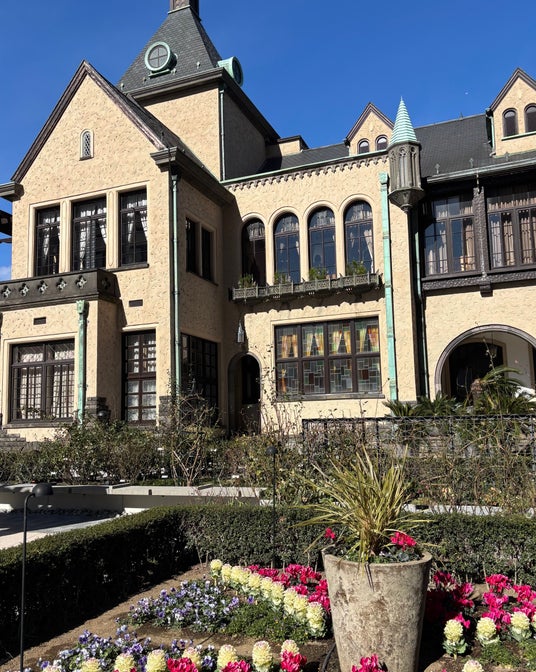
指定有形文化財赤坂プリンスホテルクラシックハウス外観。今回の特別対談の舞台。Akasaka Prince Hotel Classic House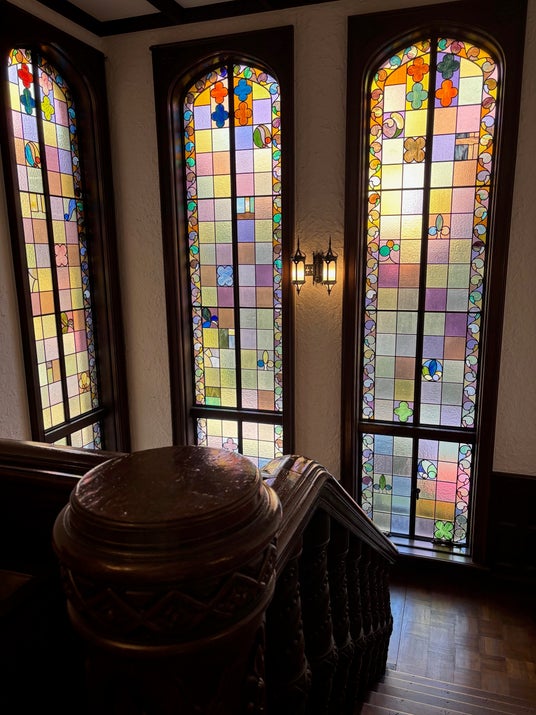
約100年の歴史の建物内部。Stained glass that carries over a century of history.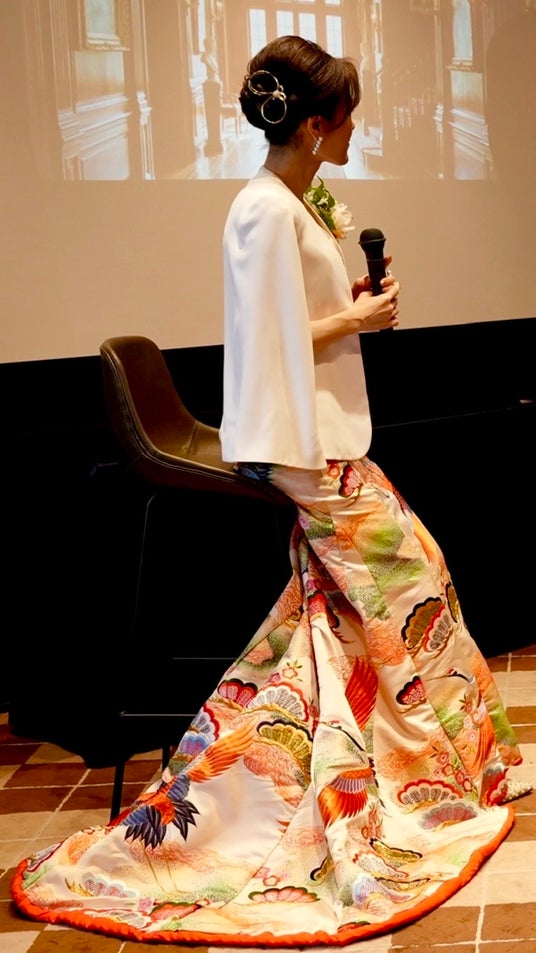
日本の打ち掛け。日本の伝統。Uchikake kimono dress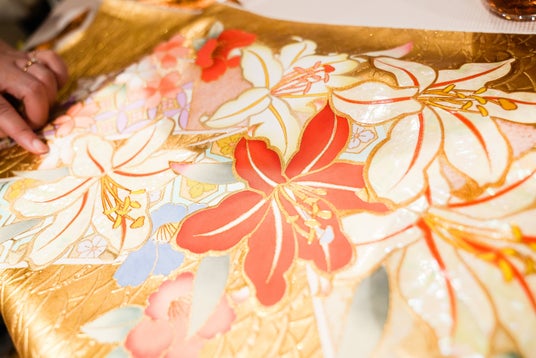
京都の金彩工芸士Nob Miyake氏の作品。貝を使った作品。An exquisite creation by Kyoto Traditional Craftsman Nob Miyake.